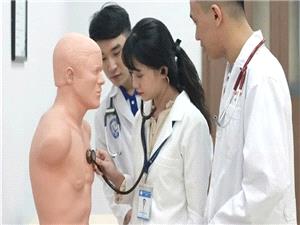
Arya News - The city will provide tuition and living expense support for resident doctors to improve the quality of healthcare.
HO CHI MINH – HCM City will provide tuition and living expense support for resident doctors to improve the quality of healthcare and address the shortage of medical personnel, according to a project newly issued by the municipal People’s Committee.
According to the project on special policies to support the training of resident doctors, resident doctors will receive 100 per cent tuition coverage for their training.
Resident doctors participating in training in “difficult-to-attract” specialties will receive support for living expenses.
The list of specialties that are difficult to attract personnel will be reviewed and determined annually based on the human resource demand of the city’s healthcare system.
The Department of Health, in coordination with hospitals and training institutions, will compile this information and submit it to the municipal People’s Committee.
Furthermore, doctors will be given the opportunity to participate in professional competency assessments during their training, thereby shortening the licensing process and ensuring they meet the requirements for providing medical examination and treatment services as stipulated by regulations.
By 2030, the city aims to add at least 250 resident doctors to public hospitals under the Department of Health.
In exchange, they commit to working in the public health system for at least six years and must comply with work assignments from the Department of Health and hospitals.
In case of violation of the commitment, they must reimburse all received financial support.
There are three medical universities in HCM City offering training programmes for resident doctors: the University of Medicine and Pharmacy, Phạm Ngọc Thạch Medical University, and the University of Health Sciences under Việt Nam National University HCM City.
Currently, resident doctors at public hospitals only account for 10-12 per cent of the total number of doctors, while the demand for specialised expertise is very high in fields such as emergency resuscitation, cardiology, oncology, obstetrics and pediatrics, anesthesia and resuscitation, orthopedics, neurology, diagnostic imaging, and preventive medicine.
Following its administrative merger with Bình Dương and Bà Rịa–Vũng Tàu provinces, HCM City’s population reached 14 million.
It is projected that the city will handle over 30 per cent of outpatient visits and 23 per cent of inpatient treatments nationwide.